Erik Peterson
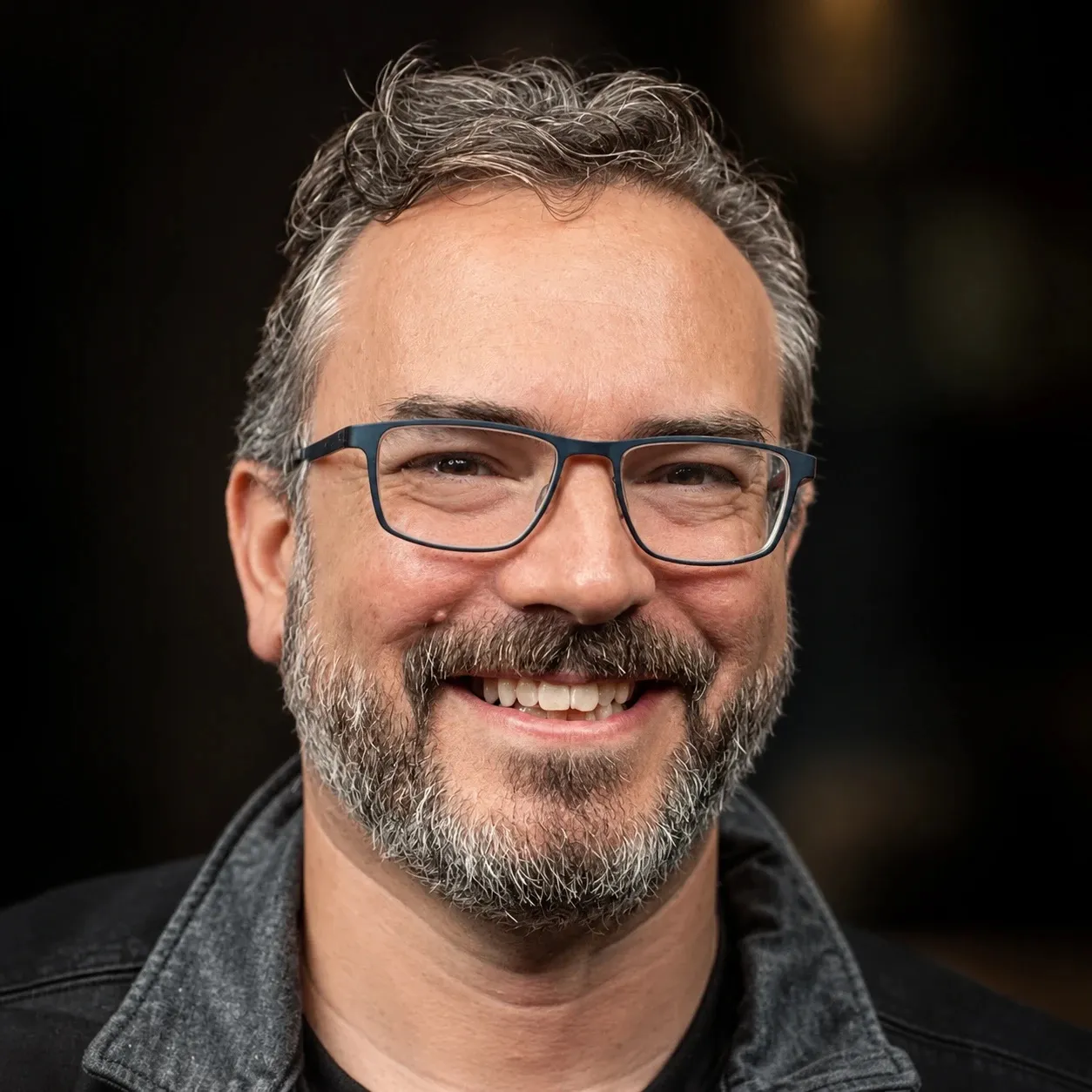
I'm the founder and CTO/CISO of CloudZero, which I started in 2016. Before that came more than twenty years in software and security, and a career spent working with the cloud — and securing it — since its earliest days.
Most of what I do comes down to one idea: the people making a decision should be able to see what it costs and if it was worth it. That was true when the unit was a server, and it's true now that the unit is a token. So I spend my time on the economics of AI — the tokenomics of running models in production, why AI bills behave so differently from cloud bills, and how teams can measure AI ROI instead of guessing at it.
I've changed my mind about a lot of this along the way, usually because the data disagreed with me. If you're working on the same questions, I'd genuinely like to hear about it.
// What I'm working on
- 01The economics of AI — what a token costs, and what it actually bought you
- 02Engineering-led cloud cost, putting unit economics in front of the people who create it
- 03FinOps, where I sit on the Foundation’s Governing Board
- 04Serverless architecture, and the community that grew up around it
- 05Application security, which is where I got my start
- 06Writing and speaking about all of the above, mostly here
// Speaking
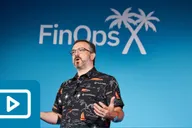
A FinOps X interview on tokenomics — why tokens are the new unit of cloud spend, and how teams should start tracking them before the AI bill becomes the cloud bill.
FinOps as a value-realization engine for the AI era — why the cloud bill as we know it is ending, and how ROI alignment and investment governance take its place.
Why AI billing behaves so differently from cloud billing — hidden reasoning tokens, tokenizer gaps, MCP overhead — and the patterns for AI that survives production without wrecking margins.
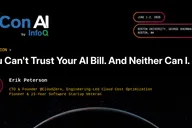
A vision for a Cloud Economics Operating System that connects spend to business outcomes, catching cost escalations before they hit the business.
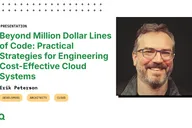
Practical strategies for building cost-effective cloud systems — from the idea of costly code to the habits that actually control spend.
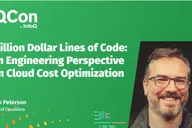
Five real “million-dollar lines of code,” and why engineering decisions — not finance — sit at the center of cloud cost.
How serverless architectures reshape cloud security — the new risks they introduce, and the old ones they quietly take off your plate.
AWS security before it was fashionable — how “full stack” vulnerabilities and cloud misunderstandings expose applications and infrastructure, plus a free tool for assessing AWS environments.